Telling Great Stories: Adventures and a life well lived

“Great stories happen to those who tell them.”
Ira Glass
Why stories are essential:
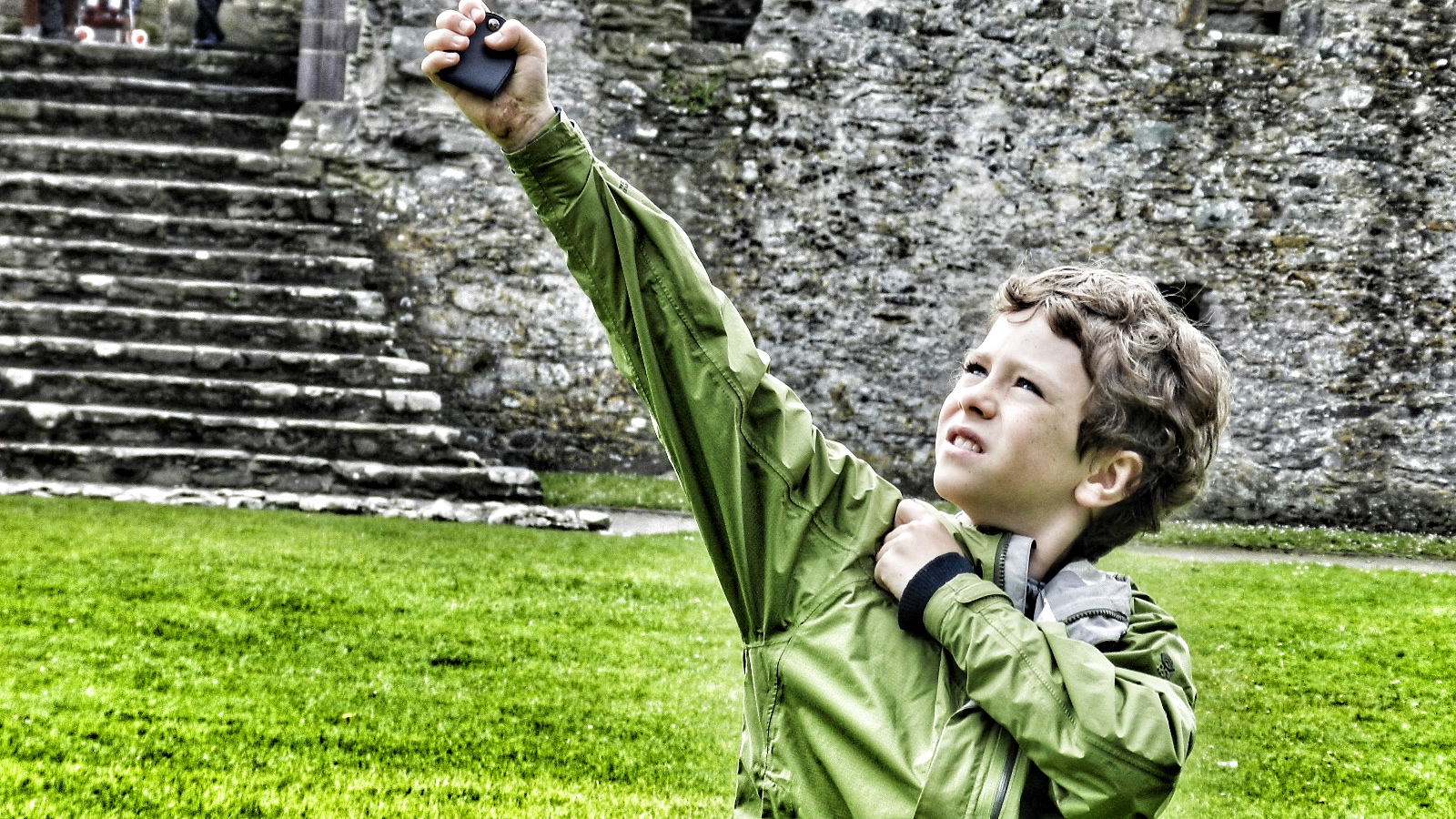
I gravitate towards people with kind faces, folk with eyes that sparkle with the merest excuse and mouths that revert to a grin. I am lured by a good story that sucks me in and leads me to an emotional odyssey. If you and others are like me, then the art of storytelling is an essential life skill. Listening to Cai, my son, it is his stories that make him attractive (or not). Modeling and teaching him to tell good stories will set him up for success, whatever he chooses to do with his life. Storytelling excites me because if a person can create and tell a story, they can author their own. When I look back on the best moments in my life, the moments when I feel fulfilled, I am authoring my biography. When I am spinning wheels and feeling stuck, I have given up the authorship. This is true regardless of the excuses I create at the time. It is due to the circumstances, the people around me, and the environment. One of my biggest struggles as a parent is letting go of ghost authoring Cai’s story. This is because I need it to be beautiful. When I trust him, he will share a great story with the world.
The role of storytelling in adventure and adventure in storytelling:
Climbing inspires me. Beyond the movement, the environment, and the experiences lie the stories of passionate people. Climbing literature is a fantastic genre, a copious collection of gripping yarns mixed with the warty reality of the human condition. During my youth, the climbing tribe was small. I lived in a climber’s Mecca, and I was able to climb, chat, and drink with authors and raconteurs. I heard their tales firsthand. Listening to these stories inspired me to embark on similar adventures. Having had experiences, they became my story. In turn, this inspired me to go out more, and so it went on. Making more stories makes more stories. What I love about these stories is that they compel you to share them. Stories from my life shape my career as a teacher, and no doubt influence my students to create their own. The thing about adventurous stories is that they force you to take stock of your place in the world. Inevitably, there is growth, and not the kind that society dictates. It is authentic growth, driven by a desire to realize your potential. When a young person understands what they are capable of and is not afraid to achieve it, a leader is born. Knowing you inspired young people to author their own stories is a beautiful feeling, especially when they are adventurous. Lighting a fire in a young person’s belly gives an invitation to step off the hamster wheel of life. Unfettered, their energy takes them to places of their choosing, often unexpected. They are free to see all the world has to offer and contribute to it. For whatever reason (I have my thoughts), we are raising a population tied to a grindstone. How often do you feel that there is more to life? Do you contemplate that you are on this earth to achieve something, and do not even know what it is? We all need an exit strategy from this culturally inspired yet self-imposed prison. Absorbing, creating, and then telling adventurous stories is the best solution I know.
Four tips to help your children tell great stories:
BEGIN WITH THE END IN MIND:
I was once at a memorial service for a friend’s father. I did not know John, yet everyone’s need to talk about him moved me. Everything I heard that day was a testament to the man’s kindness, success, and common touch. Over and over, I understood how he had made an impact and left people’s worlds better for meeting him. The thing was, all these positive images became a call to action. I left doubting if my memorial would be that uplifting, and my thoughts strayed to what I need to do starting now. What measures do I need to take for people to say things like that about me when it is my turn? When you know the destination, navigating there becomes more manageable. After thinking, I know how to behave to get the rave eulogy. Knowing the end of the story helps define the stages that lead to it fluidly and efficiently.
CREATE A SKELETON THEN FLESH IT OUT:
Screenwriters use storyboards. I encourage young storytellers (and their parents) to do the same. Figure out the main points of the story, organize them, and then add the flourishes. Remember, stories come in many forms. Have your children make a movie to help them see the benefits of the process.
EMOTIONS AND DESCRIPTIONS MAKE STORIES:
Storytellers use repetition; they find a cadence that lulls us to listen. They use descriptions of everyday things we have all seen, heard, or felt to engage our emotions. Have your child describe the details: how it looks, sounds, or feels. Collect these descriptions together using the skeleton.
GET YOUR CHILDREN OUTSIDE:
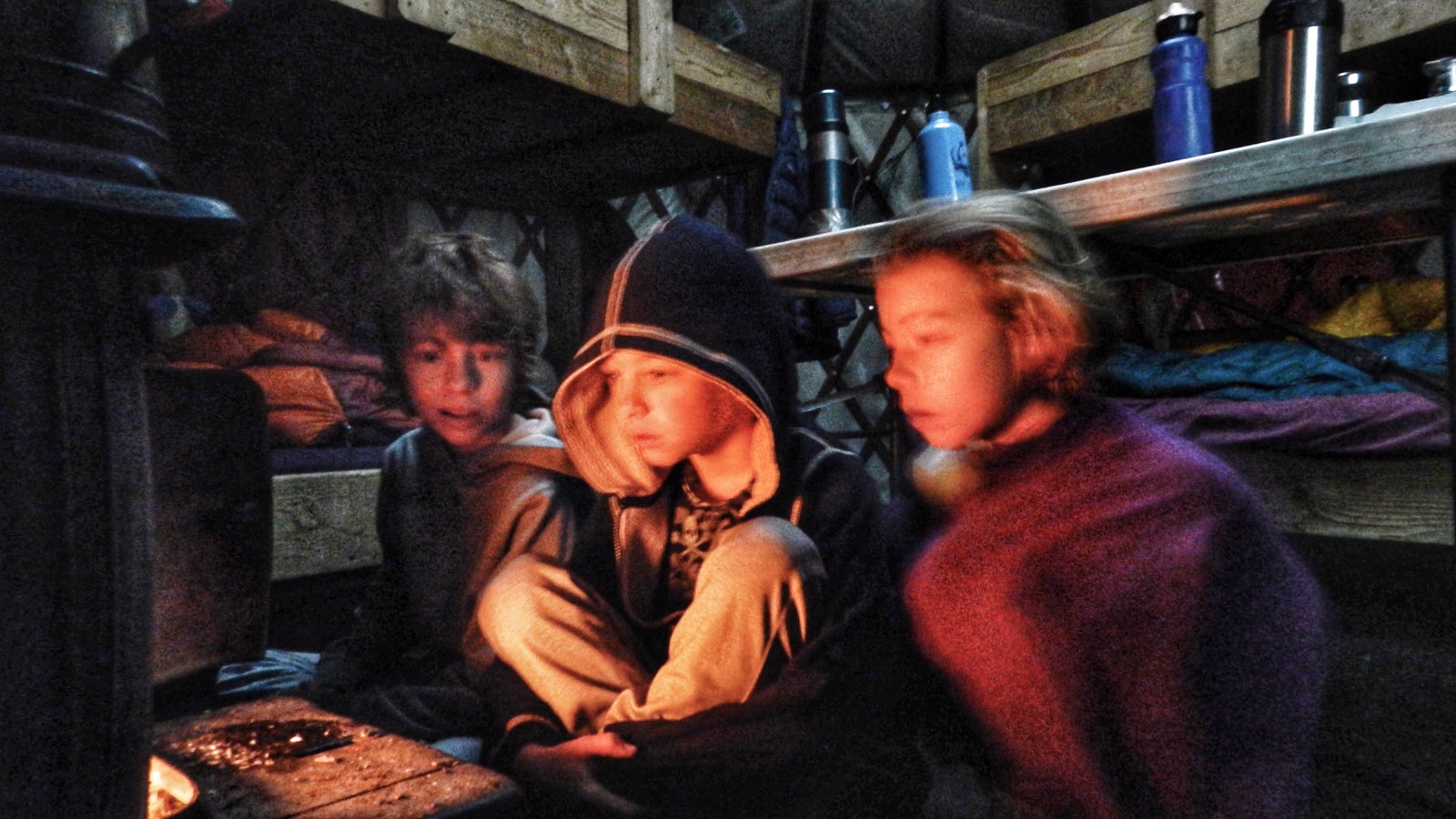
If I am to give one piece of advice, this is it. It is so much easier to describe an event in nature than anything else. How many more triggers for the senses are there outside? The infinite number of smells alone provides vast potential for storytelling. But this only scratches the surface of the positive influences nature can have. Can I remember any of the hours of TV I have watched? I still remember the rock’s texture on climbs decades after the event. Throw in the intimacy of a relationship based on a need for trust, and the stories start to flow. The fears, the humor, the excitement, the grandeur, all vie for attention when I am telling a story. How are you going to get your children outside and have adventures? How will you encourage them to tell their stories? If there is any way I can help, please reach out and let me know.